
We Test Everything: Long vs Short Copy
In email, the difference between long copy and short copy isn’t very big. Long copy is a paragraph extolling product virtues. Short, a mere product

In email, the difference between long copy and short copy isn’t very big. Long copy is a paragraph extolling product virtues. Short, a mere product
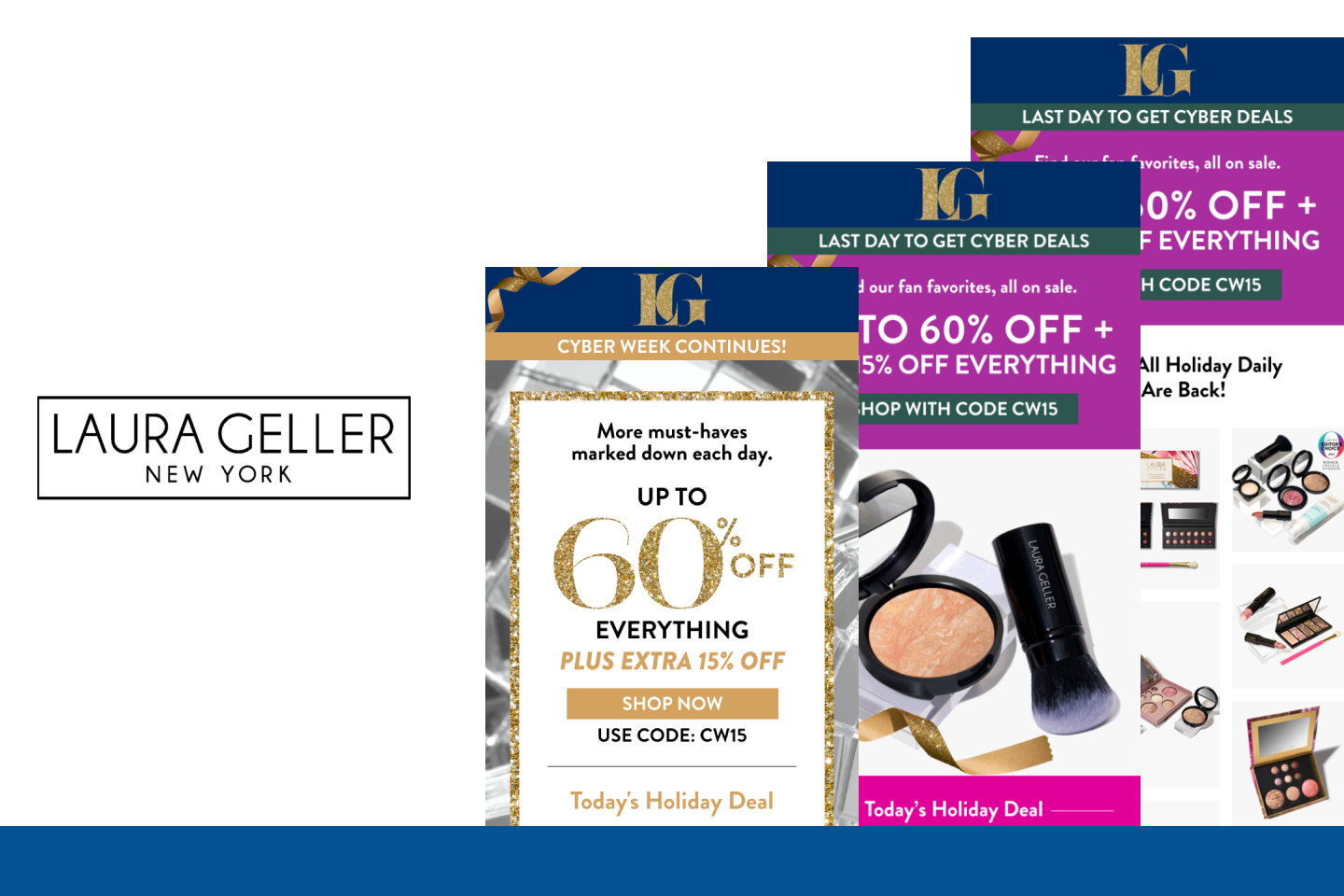
Months of audience management and offer optimization fuel soaring holiday sales for this beauty brand. Read this case study to see how we partnered with
The results helped Buffalo Trace Distillery grow email as a percent of overall revenue by more than 30%.
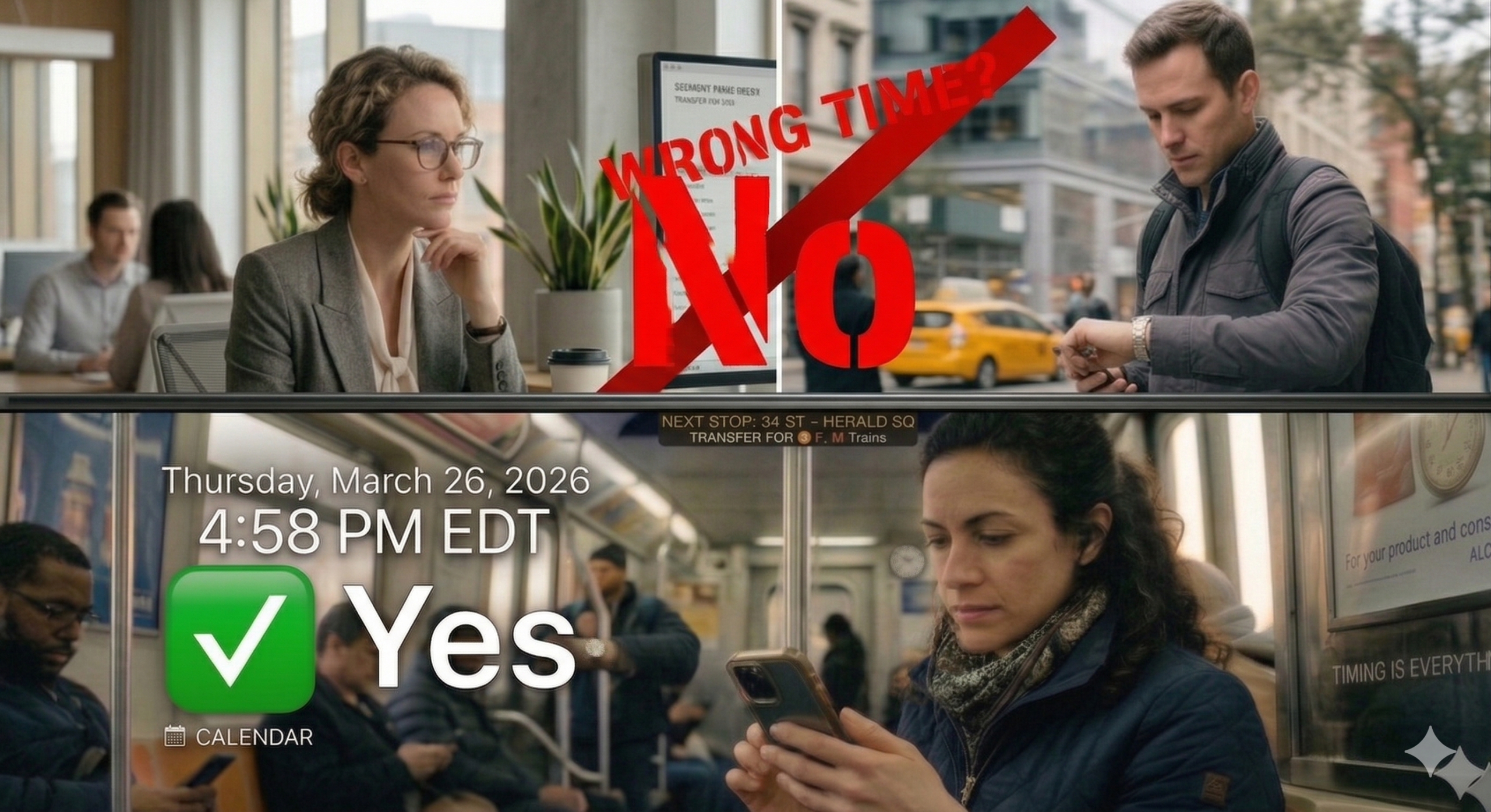
In email, the difference between long copy and short copy isn’t very big. Long copy is a paragraph extolling product virtues. Short, a mere product

Months of audience management and offer optimization fuel soaring holiday sales for this beauty brand. Read this case study to see how we partnered with

The results helped Buffalo Trace Distillery grow email as a percent of overall revenue by more than 30%.

Testing Is the Answer. But How You Test Is What Actually Matters Everyone in email marketing has heard it: “Send on Tuesday at 10 AM.”
So, last-click attribution fails to give email it’s proper credit for the sales it drives. So what? Why should anyone care? The sales are still happening. Well, if email is driving more sales than it’s getting credit for, then folks across all of marketing and sales should be interested in rectifying the issue. Why? Because proper attribution clarifies how the various sales and marketing channels support one another. For example, suppose for an offline/online retailer, email drives more bricks-and-mortar purchases than it is given credit for. Hint: It pretty much always does.
In Part I, we examined the buying process, giving insight into why consumers buy and the behaviors exhibited before, during, and after purchases are made. Now, let’s talk about the impact of sales. Everybody loves a good sale. But why?
A simple review of daily sales figures has just shown that on days during which the company sends a lot of email, there is a significant boost in sales across all channels that can’t be accounted for any other way than email’s so-called halo effect. Since everyone in the organization presumably leaves their warm bed in the morning to make as much money as possible, the next move is simple, at least in concept: Make every day a high-volume email day.
Consumers like to feel smart. Any sense of achievement when shopping is a feather in their cap. The science of the sale is simple – it hypes consumer emotions. When people have emotional reactions, it’s something they want to talk about it. In retail, when they talk about it, it generates a buzz. It’s a simple process: Show value to your customers. They’ll engage and feel accomplished.
When it comes to commercial email there are usually two camps in a typical organization: the folks in sales who need to make their numbers and who tend to want to send more email, and the folks in marketing who want to protect the brand and who get squeamish about the possibility of annoying customers with too much messaging.
Engagement. With the possible exception of relevance, it is arguably the most overused word in email marketing. Engagement became a hot topic in 2012 when deliverability professionals began touting it as a necessity for continuing to reach subscribers’ inboxes. Their argument went that the criminal spam issue had largely been solved with filtering technology. As a result, they said, email inbox providers were going to turn their attention to the next problem: commercial senders with large, largely inactive files.“
What do peas, Italian wealth in the early 1900s and email house files have in common? The 80/20 rule.
Unfortunately, the 80/20 rule leads a lot of email marketers to punish 80 percent of their file out fear of disrupting the behavior of the 20 percent. Marketers learn early in their careers—often in business school—about the 80/20 rule and how it applies to business: 80 percent of a company’s revenue is typically driven by 20 percent of its customers.
The EU’s General Data Protection Regulation goes into force in May and will be a permission game changer for many organizations that serve Europeans. It requires, among other things, explicit, provable permission from individuals to use their personally identifiable information to send direct-marketing campaigns to them. The GDPR also requires clear unambiguous explanations as to what the information will be used for, and the collection of no more data than is necessary to execute the campaigns for which permission has been granted.
When the EU’s General Data Protection Regulation goes into force, the big unknown is how European regulators plan to enforce it, especially since there are 28 independent Data Protection Authorities or one for each member of the EU.
Pop quiz: Is email and branding or a direct-response marketing channel? Answer: Yes. And that answer should inform every organization’s email strategy. Viewing email as a direct-response AND branding mechanism is a big shift from the way email has been traditionally viewed.