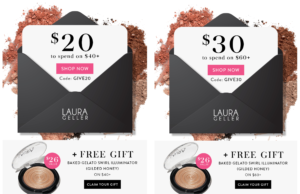
We Test Everything: Bigger Isn’t Always Better
It’s tempting to assume that you can drive more revenue with a larger discount. That certainly makes sense, and it’s an ongoing challenge to balance

It’s tempting to assume that you can drive more revenue with a larger discount. That certainly makes sense, and it’s an ongoing challenge to balance
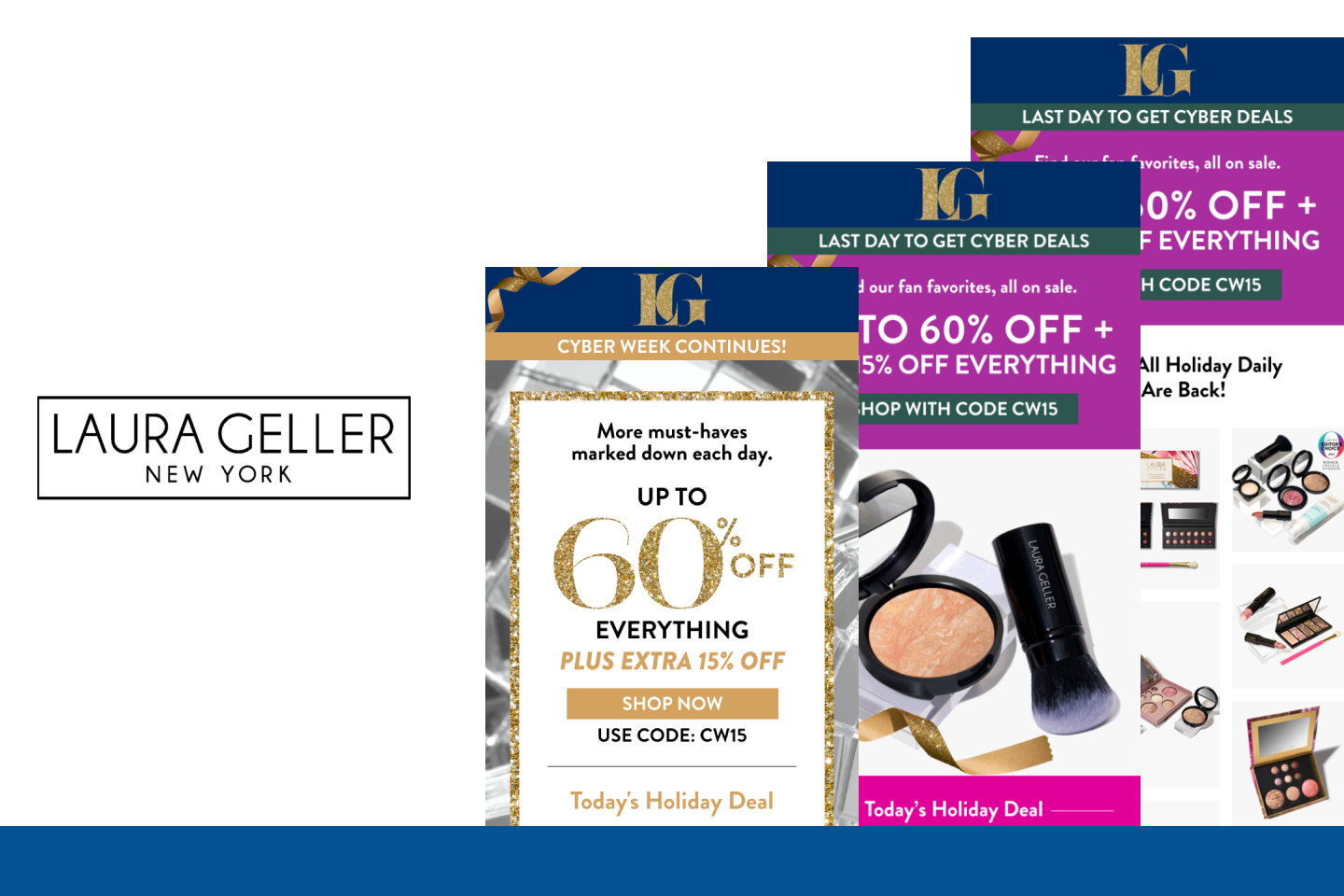
Months of audience management and offer optimization fuel soaring holiday sales for this beauty brand. Read this case study to see how we partnered with

The results helped Buffalo Trace Distillery grow email as a percent of overall revenue by more than 30%.

It’s tempting to assume that you can drive more revenue with a larger discount. That certainly makes sense, and it’s an ongoing challenge to balance

Months of audience management and offer optimization fuel soaring holiday sales for this beauty brand. Read this case study to see how we partnered with

The results helped Buffalo Trace Distillery grow email as a percent of overall revenue by more than 30%.

Testing Is the Answer. But How You Test Is What Actually Matters Everyone in email marketing has heard it: “Send on Tuesday at 10 AM.”
Most marketers know that it can be up to 5x more cost-effective to retain an existing customer than to acquire a new one, yet only 16% of companies put their primary marketing focus on customer retention.
In many ways, email is one of the first internet marketing tools. Before everyone could own their own website and before there was social media to help marketers reach a target audience, there was email. Though the usefulness of a particular piece of technology often fades with time, this hasn’t been the case with email marketing. A recent study found that email remains an important force for marketing, even when reaching younger demographics.
A new subscriber joined your mailing list – congratulations! Now what?
Start at the beginning, with the most important building block of your new relationship: the welcome email. And since you only get one chance to make a first impression, welcome emails carry a lot of weight.
In 2015, one out of five demand marketers used retargeting campaigns to improve conversion rates (source: regalix). Plenty of brands run plenty of traditional banner and email retargeting campaigns using their own first party data to bring back those cart and search abandoners — and they’ve certainly seen some satisfying incremental sales from those campaigns! (As a refresher, recall we took a look at these basic forms of email retargeting and their overall benefits in Part 1 of this blog.)
The Importance Of Email Marketing For Small Businesses (Via Business 2 Community)
New ideas become old news pretty quickly these days. But, Big Data, as a marketing concept, starting gaining buzz throughout the 2000s, and there isn’t any sign that it will slow down in hype, growth or importance any time soon. And, it isn’t called “Big” for hyperbole’s sake.
Your personal hierarchy of life-altering firsts likely includes your first kiss, your first time behind the wheel or the first time you left home. For members of Generation Z, now in their teens or early 20s, another rite of passage has taken on outsize importance: sending your first email.
Since the first installment of this series was published, the dynamic world of big data has assuredly already seen some new innovations — and grown even bigger. So, what better time than the present to start outlining your own strategy? This second installment will give you a jumpstart on using big data to upgrade your current marketing and sales strategies.
Email marketing has changed significantly over the past several years—driven by migration of email reading to mobile devices, the debut of email on wearables like the Apple Watch, and broad adoption of engagement-based email filtering by inbox providers. Given all of these changes, we were curious what the next several years had in store, so we asked 20 experts: “How will email marketing and the subscriber experience change by the year 2020?”
Goal setting is crucial to email marketing success. Defining your email marketing campaign goals helps guide the direction of your campaign, and makes it easier to measure the success of your efforts.