

The Inbox Is a Narrative, Not a Moment
Most email strategies are still built around individual sends: optimize the subject line, test the CTA, analyze the results, repeat.
But subscribers don’t experience your emails in isolation.
In 2026, inboxes are experienced in sequence. Every message adds context to the next. This is where Inbox Stacking comes into play.
Inbox stacking is the cumulative impact of your messages as they appear together in a user’s inbox over time. Subject lines don’t stand alone anymore—they compete, reinforce, or undermine one another.
“Inbox stacking rewards brands that think in chapters, not headlines.”
What Inbox Stacking Really Means
Inbox stacking isn’t about sending more emails. It’s about sending connected ones.
When subscribers open their inbox, they don’t see a single campaign. They see a stack of recent messages from your brand. In that moment, they subconsciously evaluate:
- Whether your subject lines feel cohesive
- Whether your tone is consistent
- Whether offers feel meaningful or repetitive
- Whether engaging again feels worthwhile
Inbox providers don’t independently judge your brand in a vacuum. They measure how real people respond to your emails. Strong engagement signals come from messages subscribers genuinely value.
Write emails people like. Tell a coherent story. Sustained engagement follows—and inbox placement follows engagement.
As Alex Yale, VP, Analytics & Strategy at Alchemy Worx, explains:
“Inbox providers look closely at engagement signals. When messages feel disconnected or one-off, you see it in the metrics—lower opens, lower clicks, and declining engagement over time. Consistency matters because engagement tells inbox providers whether subscribers actually value what you’re sending.”
A single great campaign can’t outweigh a pattern of irrelevance. Conversely, consistent relevance compounds.
Inbox stacking rewards brands that think in chapters, not headlines.
Price Anchoring: The Hidden Risk in the Stack
Inbox stacking has a powerful commercial implication: price comparison happens instantly.
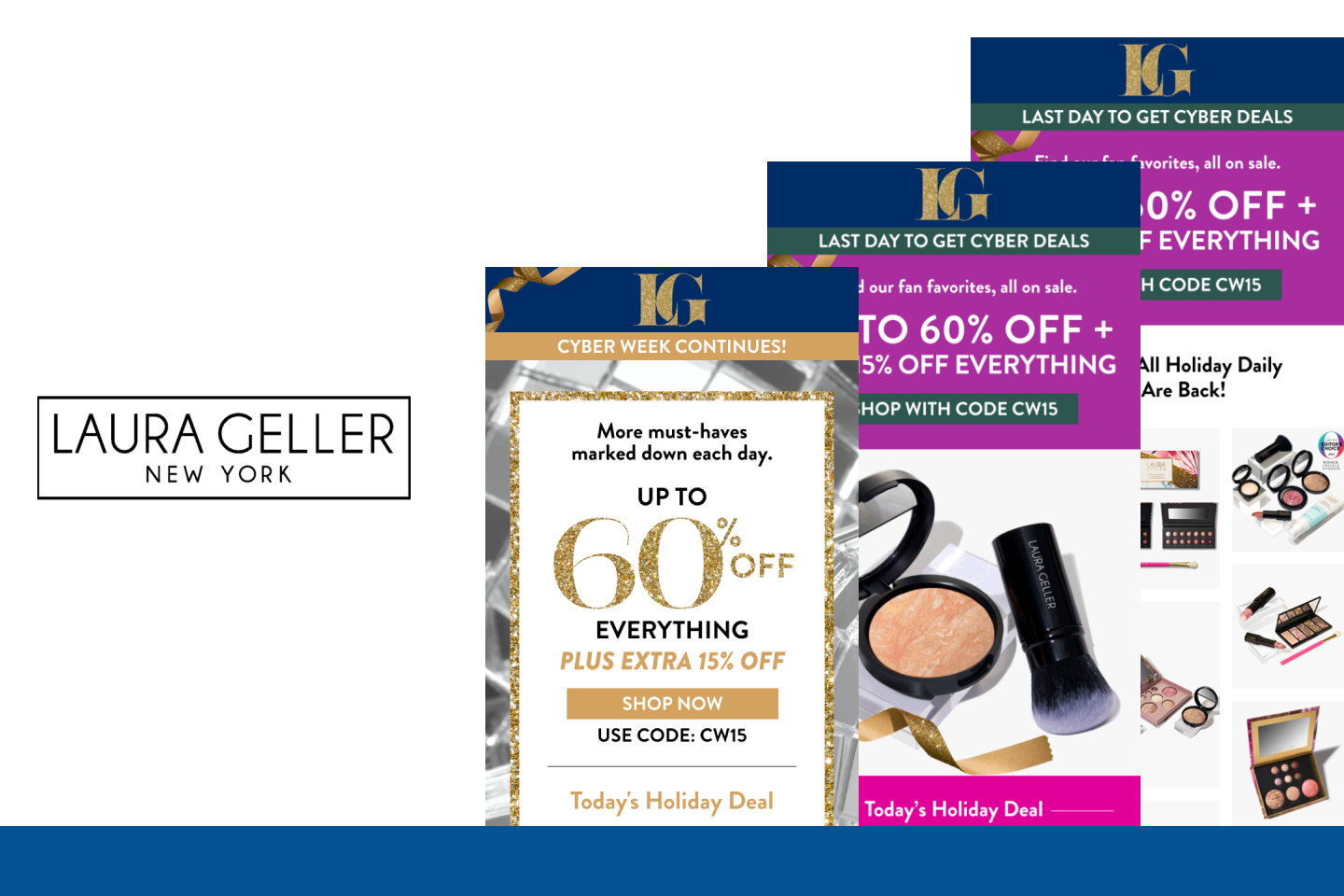
When multiple promotional emails sit next to each other, subscribers can immediately compare today’s offer to last week’s—and the week before that.
This creates price anchoring effects:
- Strong promotions can look even stronger when contrasted against lighter ones
- Weak promotions can undermine perceived value if recent emails set a higher bar
- “Up to 50% off” loses impact if subscribers just saw 60%
The inbox becomes a visible pricing history.
This can work in your favor—but only if your promotional cadence is intentional. Story-driven campaigns that escalate, build anticipation, or clearly differentiate offer tiers preserve perceived value. Random discounting erodes it.
Inbox stacking doesn’t just affect engagement. It shapes pricing psychology.
Why Storytelling Now Drives Inbox Placement
Storytelling isn’t just a creative choice—it’s an engagement strategy.
When your emails follow a logical narrative:
- Subscribers recognize your brand more quickly
- Engagement becomes habitual rather than reactive
- Expectations are set and met consistently
This is why relevance matters more than cleverness. Subject lines that tease without payoff break the story—and broken stories lead to disengagement.
In 2026, storytelling isn’t about drama. It’s about continuity.
And continuity drives engagement. Engagement drives inbox placement.
The Promotions Tab Is Part of the Stack
Many brands treat the Promotions tab as a downgrade. It’s part of the inbox ecosystem—and inbox stacking applies there too.
Subscribers scan the Promotions tab differently. They compare offers side by side. They evaluate brands quickly. They decide what feels worth opening.
The risk isn’t landing in Promotions—it’s being ignored once you’re there.
Story-driven campaigns that maintain relevance across multiple sends perform far better than one-off “big sale” messages that reset expectations every time.
Where Brands Break the Stack
Inbox stacking fails when:
- Subject lines change tone every send
- Promotions fluctuate without strategy
- Content doesn’t match expectations
- Frequency ignores engagement signals
This is where AI, when unsupervised, becomes dangerous. AI can optimize individual subject lines—but it doesn’t understand narrative arcs, promotional sequencing, audience fatigue, or historical pricing context.
Without human strategy, automation fragments the story.
As Alex Yale notes:
“Automation works best when it supports a cohesive strategy rather than replacing it. Every email should feel connected to a larger narrative, not like a standalone send.”
Inbox Stacking as a Strategic Advantage
At Alchemy Worx, we treat inbox stacking as a growth discipline.
We look at:
- How messages appear together visually
- How subject lines build on one another
- How promotional strength evolves over time
- How engagement trends compound across sequences
When inbox stacking is intentional, brands see:
- Higher sustained engagement
- Improved inbox placement
- Lower list fatigue
- Stronger long-term retention
This isn’t about perfection—it’s about direction
From Campaigns to Communication Strategy
Good email strategy in 2026 isn’t about emails at all.
It’s about strategic communication:
- Who your audience is
- What content they engage with
- Which channels they prefer
- How often they want to hear from you
Email, SMS, push, and social all become part of the same story. Inbox stacking is simply where that story becomes most visible—and most comparable.
Intelligence Over Aesthetics, Revisited
Clever subject lines win attention.
Consistent storytelling earns trust.
Strategic pricing preserves value.
Inbox stacking forces brands to think beyond the next send and start designing experiences that unfold over time.
That’s why intelligence beats aesthetics—and why strategy must lead automation.
As Alex Yale explains:
“AI allows brands to produce emails more efficiently, but the real advantage comes from reinvesting that time into strategy and testing. Sending more emails isn’t the goal—sending smarter ones is.”
The Final Upgrade
The brands that win in 2026 won’t be the loudest in the inbox.
They’ll be the most familiar.
They’ll show up with relevance, consistency, pricing discipline, and purpose—message after message.
Inbox stacking isn’t a tactic.
It’s the future of deliverability.
Unlock Your Email & SMS Growth Potential
At Alchemy Worx, we help brands turn engagement into revenue. Get your complimentary acceleration plan, which includes:
- Analysis of your Email/ SMS engagement metrics with actionable best practices.
- Segmentation and reactivation review with strategic recommendations.
- Audit of your email and SMS automations with improvement suggestions.
Start realizing your measurable gains in under four months.
Visit us at alchemyworx.com/lets-talk to get your plan today.